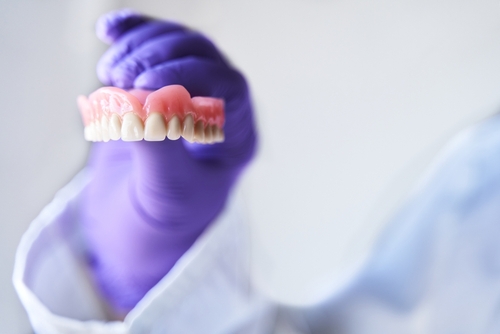
What Is an Implant Denture?
In this video, Remi Berube, DD, explains an important distinction in denture options that can greatly affect comfort, stability, and everyday function.
There are many types of dentures, but the two main categories are tissue-supported dentures and implant-supported dentures.
Tissue-supported dentures rest directly on the gums after your teeth are removed. This is the most common type used across the U.S. and here in Montana because it’s the simplest and most affordable option. However, it’s not always the most functional solution, especially for the lower jaw.
Implant-supported dentures attach to implants that are placed in the bone. The implants act like anchors, and the denture connects to them either as a removable snap-on system or as a fixed option that stays in the mouth.
Most problems with dentures happen on the lower arch. Without implants, lower dentures tend to move, cause sore spots, and provide the least chewing power. Adding even a few implants dramatically improves stability and function. You also maintain more bone over time because implants help prevent bone loss and recession.
If you can support your denture with implants, especially on the lower jaw, you’ll get a more stable, comfortable, and functional result.
If you or someone you love is struggling with missing teeth or loose dentures, contact Big Sky Dentures & Implants in Missoula, MT, for a free consultation to learn how our life-changing treatments can enhance your smile, improve your function, and restore your self-confidence.

Related Videos
- I Need Dentures. Where Do I Start?
- What Denture Options Do You Offer at Big Sky Dentures & Implants?
- The Implant Denture Process Explained
- What Are Immediate Dentures?
- What Is a Snap-In Denture?
- What Is the Process for Same-Day Implant Dentures?
- What Is the Same-Day Denture Reline and Repair Process?
- What Is a Roundhouse Bridge?
- How Long Does It Take to Get Used to Wearing Dentures?
- What Denture Adjustments Do You Offer?