Flexible dentures are removable partial dentures made from a thin, bendable resin, usually a type of nylon, instead of rigid acrylic and metal. Because the base and clasps can be tinted to match your gums, flexible dentures can replace missing teeth without the flash of metal that some people dislike about traditional partials. They can be an excellent choice in the right mouth, but they are not the best option for everyone. This guide explains how flexible partials work, where they shine, and where they fall short, so you can have a better conversation with your denturist about which partial options fit you. At Big Sky Dentures in Missoula, MT, our focus is affordable, same-day denture care, and we are always happy to talk through your choices.
Quick answers
- What are flexible dentures? Partial dentures made from a thin, flexible resin (often nylon based) with gum-colored clasps instead of metal.
- Main advantages: No visible metal, a thin and lightweight feel, and good resistance to cracking if dropped.
- Main drawbacks: Less rigid support than metal frameworks, more difficult to reline or add teeth to, and surfaces that can roughen or stain over time.
- Who they suit best: People with an allergy to conventional denture materials, limited mouth opening, or front-tooth gaps where appearance matters most.
- Next step: Ask your denturist which partial options fit your mouth, your goals, and your budget.
What Are Flexible Dentures?
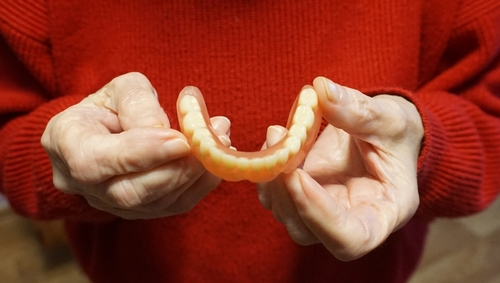
Most flexible dentures are partial dentures. Instead of a hard pink acrylic base with metal wire clasps, or a cast metal framework, the base and clasps are made from a thermoplastic resin that is heated and injected into a mold. The finished appliance is thin and slightly bendable, and the clasps wrap around natural teeth near the gumline in a color that blends with the gums.
You may hear flexible partials called by brand names, such as Valplast, or by descriptions like nylon partials, metal-free partials, or soft partials. The specific material varies, but the basic idea is the same: replace missing teeth with an appliance that relies on flexible clasps rather than metal ones.
Flexible dentures are one branch of the larger family of partial dentures, which also includes cast metal framework partials and all-acrylic partials. Each design has trade-offs, which is why the material should follow the needs of your mouth rather than the other way around.
Advantages of Flexible Partial Dentures
- Appearance. Gum-colored clasps avoid the visible metal that can show when you smile or talk, which is especially noticeable with front-tooth gaps.
- Thin, light feel. Many people describe flexible partials as less bulky than all-acrylic designs.
- Impact resistance. The material tends to bend rather than snap if the partial is dropped.
- Metal-free. For people sensitive to certain metals or to conventional acrylic, a nylon-based material can be a useful alternative.
- Adapts to undercuts. Because the material flexes, it can slip past bulges in the gums or teeth that might make a rigid partial difficult to seat.
Research supports these specific uses. A 2024 literature review concluded that conventional acrylic remains the gold standard for denture bases, but that flexible denture base material is suitable in cases of allergy to acrylic or restricted mouth opening.
Disadvantages and Limits of Flexible Dentures
Flexibility is the selling point, but it is also the main limitation. A partial that bends easily does not hold your bite as firmly as a rigid one, and it may not distribute chewing forces as well across the remaining teeth.
- Less rigid support. The same 2024 review found that retention was better with conventional acrylic than with flexible dentures.
- Harder to adjust and reline. A review of non-metal clasp dentures noted that they need laboratory relining, grinding, and polishing, and become rougher and stained over time.
- Adding teeth can be difficult. If you lose another natural tooth, a flexible partial may be harder to modify than an acrylic or metal partial, and sometimes it needs to be remade.
- Cleaning matters more. Rougher surfaces can collect plaque and stain more readily, so a careful daily routine and the right cleanser are important.
- Limited long-term data. The review of non-metal clasp dentures also points out that long-term clinical studies are limited and suggests that combining flexible clasps with metal components can help balance esthetics with sound support.
Flexible vs. Metal and Acrylic Partials
Here is a practical way to think about the three main designs:
- Cast metal framework: The most rigid support and often the most durable long-term choice when supporting teeth are healthy. Metal clasps may be visible.
- All-acrylic: Easy to modify and add teeth to, often used as an interim partial or when more tooth loss is expected. Usually bulkier.
- Flexible: The most discreet and comfortable-feeling for many people, with trade-offs in rigidity, adjustability, and repair.
In some cases, a hybrid approach makes sense, such as a metal framework for strength paired with tooth-colored clasps in visible areas. Our guide to partial dentures in Missoula walks through each type in more detail.
Why Repairability Affects Affordability
When you compare partials, think about the years after delivery, not just the first day. Acrylic and metal framework partials are generally easier to reline, adjust, and repair in the office, and many of those fixes can be done the same day. Flexible materials often need more involved lab work. For many people, a partial that is easy to maintain is the more affordable choice over its lifetime.
Who Is a Good Candidate for Flexible Dentures?
Flexible partials tend to work best for people who:
- Are missing one or a few teeth, especially in the front, and want a discreet result
- Have a documented sensitivity to metals or conventional acrylic
- Have limited mouth opening or tissue undercuts that make a rigid partial hard to seat
- Need a temporary partial while they plan a longer-term denture
They may be a less ideal choice if you are missing many teeth, especially back teeth at the end of the arch with no tooth behind the gap, if your remaining teeth are weak or loose, or if you expect to lose more teeth soon. In those situations, a rigid metal or acrylic design is often the more stable option.
Questions to Ask Your Denturist
Choosing a partial is not just a materials decision. It depends on how your bite comes together, the health of the teeth that will hold the partial, and how you want the result to look and feel. At your visit, these questions can help you sort through the options:
- Which partial options fit my mouth, and why?
- How stable will each design be when I chew?
- Can this partial be relined, adjusted, or repaired the same day if something changes or breaks?
- Can a tooth be added later if I lose another natural tooth?
- What will this partial cost, and what will my Medicaid, insurance, or financing cover?
At Big Sky Dentures, we listen first, then look at the teeth and gums that would support a partial and lay out clear choices with a straightforward price.
Caring for a Flexible Partial
Good daily care helps a flexible partial look better and last longer:
- Rinse it after meals and brush it daily with a soft denture brush and a non-abrasive cleanser.
- Ask which soaking cleanser to use. Some products are better suited to nylon-based materials than others.
- Avoid hot water, bleach, and abrasive household cleaners, which can damage or distort denture materials.
- Store it in water or a soaking solution when it is out of your mouth so it does not dry out.
- Keep brushing and flossing the natural teeth that support it, especially along the gumline under the clasps.
Nighttime habits matter too. In this short video, Remi Berube, DD, explains whether you should sleep with your denture in and why giving your gums a break overnight is the healthier option:
Poor cleaning and overnight wear can also contribute to irritation under a denture, which we cover in what denture wearers should know about denture stomatitis. If the fit changes or something breaks, our page on same-day denture relines and repairs explains what we can do, often in a single visit.
What Do Flexible Dentures Cost?
The cost of a flexible partial depends on how many teeth it replaces, the material and design, and how much work the case needs. Instead of quoting a number before we have seen your mouth, we give you a clear treatment plan with one comprehensive price so you know what to expect. Our article on what shapes the cost of dentures explains the main factors.
Big Sky Dentures accepts Montana Medicaid and many dental insurance plans. Coverage for a specific partial design can vary by plan, so our team will check your benefits before treatment. Our post on whether Medicaid covers dentures explains how coverage works. We also offer financing through CareCredit, Cherry, and Proceed, which you can read about on our dental financing page.
Frequently Asked Questions About Flexible Dentures
Are flexible dentures better than regular partials?
They are better for some situations and worse for others. Flexible partials look more natural and feel lighter, but rigid metal or acrylic designs usually offer firmer support and are easier to adjust, reline, and add teeth to. The best choice depends on your supporting teeth and your goals, so ask your denturist which partial options fit you.
How long do flexible partial dentures last?
It varies with your oral health, care habits, and how your mouth changes. Because flexible materials can be harder to reline and modify, a flexible partial may need to be replaced rather than adjusted when the fit changes. Our guide to how long dentures last covers replacement signs in more detail.
Can flexible dentures be relined or repaired?
Often they can, but the process is more involved than with acrylic and usually requires lab work. Some changes, such as adding several teeth, may mean making a new partial instead.
Can you get a full set of flexible dentures?
Flexible materials are used mainly for partial dentures. Complete dentures typically rely on rigid acrylic bases for stability, and a reline can help restore the fit as your gums change.
Do flexible dentures need adhesive?
A well-fitting flexible partial is held by its clasps and the teeth around it, so adhesive is not usually needed. If you find yourself relying on adhesive, the fit should be checked.
Does Medicaid cover flexible partial dentures?
Montana Medicaid covers partial dentures for eligible adult members, but coverage of a particular material or design can depend on your plan and medical necessity. Call our office and we will verify what your benefits include.
Talk With Us About Your Partial Denture Options
If you want to replace missing teeth with a partial that looks natural and fits your budget, we are happy to talk through the options and the trade-offs of each. Call Big Sky Dentures at (406) 829-8900 or reach out through our contact page to schedule a consultation in Missoula.