When we talk about the best dental implant options in 2026, the answer depends on what today’s treatment options make possible. For many years, dental implants came with a long list of considerations. Patients had to think about bone health, surgical steps, healing time, overall health, and cost before they could feel ready to move forward. Those concerns still deserve careful attention. However, modern implant dentistry offers more ways to overcome the barriers that once made tooth replacement feel out of reach.
At Big Sky Dentures & Implants, we take those concerns seriously. We offer options like mini dental implants because they can make tooth replacement feel more realistic for patients who want a secure, lasting solution without a lengthy or overly complex treatment process. As we look at the best dental implant options in 2026, the strongest choice is often the one that restores your smile, supports your oral health, and fits the needs you bring into the chair.
What Are the Best Implant Options in 2026?
The best implant options in 2026 depend on what you need treatment to do for your life, your health, and your comfort level. For some patients, the main concern is cost. For others, it is the length of the procedure, the number of appointments, or the thought of oral surgery. Many people also come to us after hearing they may need bone grafting before they can qualify for traditional implants.
At Big Sky Dentures & Implants, we see these concerns all the time. Patients often want a solution that restores their smile and supports their oral health without making the process feel overwhelming. In many cases, mini dental implants check those boxes.
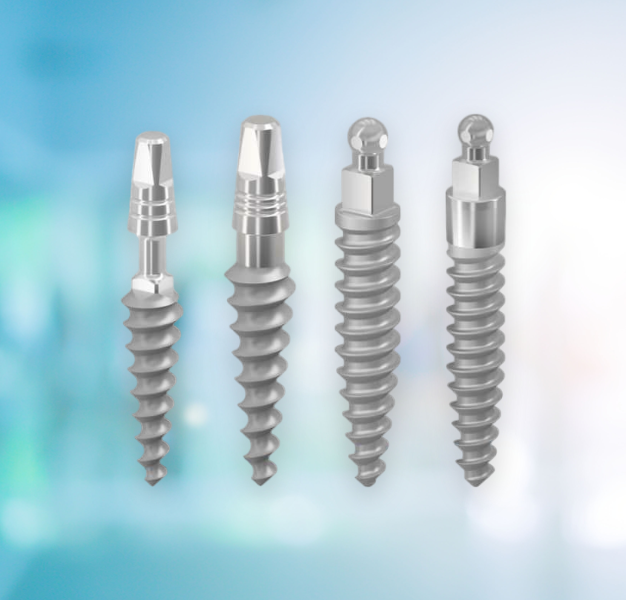
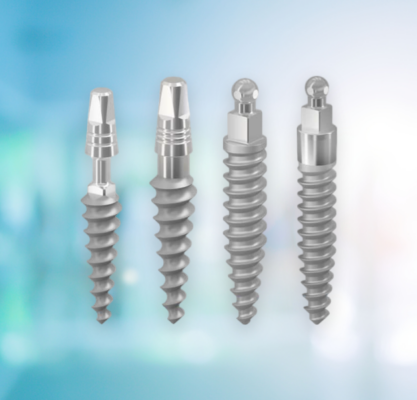
Mini dental implants are less than 3 millimeters wide, measuring about half the width of a traditional dental implant. Their smaller size can make them a strong option for patients who have experienced bone loss or want a less invasive treatment process. Since they require less space in the jawbone, we can often place them without the extra procedures that traditional implants may require.
Mini dental implants also have a simplified structure. Many are one-piece dental implants, meaning the implant post and the connector that supports the replacement tooth are made as a single unit. With traditional two-piece implants, the implant body is placed in the bone first, and a separate abutment is attached later. With a one-piece mini dental implant, that supportive top portion is already part of the implant from the beginning.
At first, these details may sound small. A narrower implant and a one-piece structure may not seem like major differences on paper. However, those features can influence the entire treatment experience.
The Mini Dental Implant Process
Mini dental implants are smaller than traditional implants, allowing us to place them using a minimally invasive technique. We create a small opening through the gums and into the jawbone. Then, we gently place the implant. For many patients, local anesthesia is all they need to stay comfortable during the procedure.
In general, less surgical disruption means the gums and bone have less to recover from after treatment. We preserve more of the natural tissue, reduce unnecessary trauma, and create a simpler healing environment for the body.
Their one-piece structure also helps streamline the process. With a one-piece mini dental implant, the portion that goes into the bone and the portion that supports the restoration are built together from the start. For patients, that structure can mean fewer surgical steps, shorter chair time, and a treatment process that feels easier to manage. A one-piece, minimally invasive approach simplifies both the surgical and restorative sides of care because the implant is ready to support a crown, bridge, or denture sooner.
How a Minimally Invasive Process Affects Dental Implant Costs in 2026
The same features that simplify mini dental implant treatment can also influence the cost. A smaller implant, a minimally invasive placement technique, and a one-piece structure can reduce the number of steps involved from start to finish.
Their smaller size requires less bone volume, so many patients can move forward without the preparatory procedures that traditional implants may require. Their one-piece structure can also reduce the need for a separate abutment-connection appointment. When we streamline the surgical and restorative process, patients often spend less time in the chair and have fewer visits during treatment.
Cost also extends beyond the dental office. Extra appointments can mean more time away from work, caregiving, errands, or daily routines. A shorter, more direct process can help reduce those indirect costs as well.
The final cost still depends on your needs, including the number of implants placed and the type of restoration you choose. However, for many patients, mini dental implants offer a more attainable way to restore their smile and oral health without the added expense of a longer, more complex treatment plan.
Find an Implant Option That Fits Your Needs
The best dental implant option is the one that helps you restore your smile without making treatment feel out of reach. If cost, bone loss, surgical concerns, or a long treatment timeline have kept you from exploring implants, mini dental implants may offer a more manageable way forward.
At Big Sky Dentures & Implants, we can evaluate your needs, explain your options, and help you understand which solution supports your oral health, comfort, and budget. Schedule a consultation today to learn if mini dental implants are right for you.