
You rarely wait for something to fail completely before you replace it. A smoke detector chirps long before the batteries die. Tires lose their grip before the tread disappears. Even small changes in your diet tend to follow a pattern. You notice discomfort, sluggishness, or results that no longer match the effort you put in. These signals exist for a reason. Dentures can raise similar practical concerns. Adhesive becomes more routine. Chewing shifts to one side. Speech may require more attention to keep the denture stable. Each adjustment seems minor, and each one is easy to justify. When daily use depends on ongoing compensation, many people begin learning about denture alternatives.
At Big Sky Dentures & Implants, we help you look closely at the changes you are noticing and explore denture alternatives before limitations begin shaping your routine.
3 Signs You Should Consider Denture Alternatives
Sign #1: Your Denture Feels Loose or Unreliable
A denture that shifts, rocks, or lifts is responding to changes beneath it. After tooth loss, the jawbone no longer receives stimulation from natural roots, so it gradually resorbs. As the bone shrinks, the gum ridge reshapes itself. The denture, however, stays the same. That mismatch creates movement.
You may notice clicking when you speak, food slipping under the base, or a general sense that the denture never quite settles where it should. Chewing can feel unpredictable, and stability may depend more on positioning or adhesive than it once did. These are mechanical signals. They indicate that the seal and support system the denture relied on no longer aligns with your jaw and gums.
When looseness becomes part of daily use, the issue is no longer convenience. It is structure.
Sign #2: Your Denture Causes Ongoing Discomfort
Discomfort is not a phase your mouth is supposed to outgrow. When pressure concentrates unevenly across the gums, the tissues respond quickly. Areas of excess force become sore, inflamed, or irritated because the denture no longer matches the contours of the soft tissue beneath it.
Redness, blisters, and recurring sore spots develop where the denture rubs or pinches. Wearing the denture for a full day may feel increasingly difficult, even if it once felt manageable. Over time, chronic irritation weakens the health of the gum tissue and can increase vulnerability to infection or more significant tissue changes.
Pain is feedback. It tells you that load distribution has shifted, and the tissues supporting the denture are absorbing forces they were never meant to handle alone.
Sign #3: Your Bite and Facial Support Have Changed
Did you know a denture supports jaw alignment and facial muscle structure, not just tooth replacement? It supports how your jaws meet and how your facial muscles hold their shape. As jawbone resorption continues and denture teeth wear down, the support system can weaken. The bite begins to collapse.
You may notice changes in how your upper and lower teeth come together, along with increased strain in the jaw joints or facial muscles. Visually, the lower face can appear shorter. Wrinkles and folds around the mouth may deepen. The lips and cheeks may lose the support that once held them outward.
These changes signal that the denture no longer interacts with your bone, muscles, and bite in a balanced way.
Is a Denture Repair Enough, or Is It Time for Denture Alternatives?
Small cracks, a chipped or broken tooth, or a denture that suddenly creates one or two sore spots can often be corrected without changing the overall treatment. In these situations, the denture still fits reasonably well, feels comfortable most of the time, and functions as expected.
A professional reline can also fall into this category. Adding material to the inside of the denture helps it better match the current contours of your mouth. When stability improves and comfort returns, a repair or reline may be all that is needed.
When Denture Alternatives Become Necessary
The situation changes when issues keep returning. Repeated sore spots, ongoing looseness, or a denture that never feels secure, even after adjustments, point to a deeper problem. Over time, the jawbone and gum tissue continue to change after tooth loss.
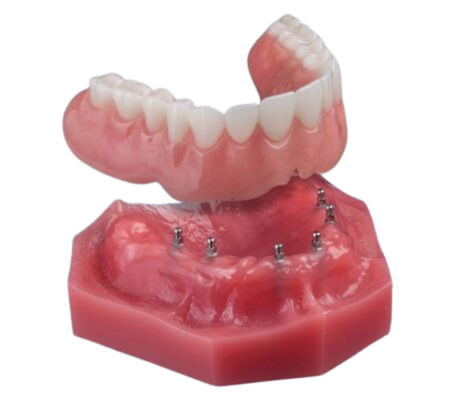
In these cases, improving support usually means working with the jawbone rather than relying solely on the gums. Many denture alternatives involve dental implants. We place small titanium posts into the jawbone, where the surrounding bone fuses to them, creating a stable anchor.
One option is a snap-on denture, also called an overdenture. It remains removable like a traditional denture but secures directly to dental implants for added stability. Another option is a roundhouse bridge, which attaches permanently to mini dental implants and stays in place at all times. We remove it only during regular checkups so we can properly maintain and clean it.
Explore Your Options To Improve Denture Stability
If you are noticing these changes, the next step is not to guess or push through discomfort. A professional evaluation can clarify whether a simple repair, a reline, or added support would restore stability and comfort. At Big Sky Dentures & Implants, we take time to assess fit, bone support, and function together, so you understand what is happening and what options make sense moving forward.
Contact us today to schedule a consultation. It’s time to explore solutions that reduce daily compensation and improve long-term support.